

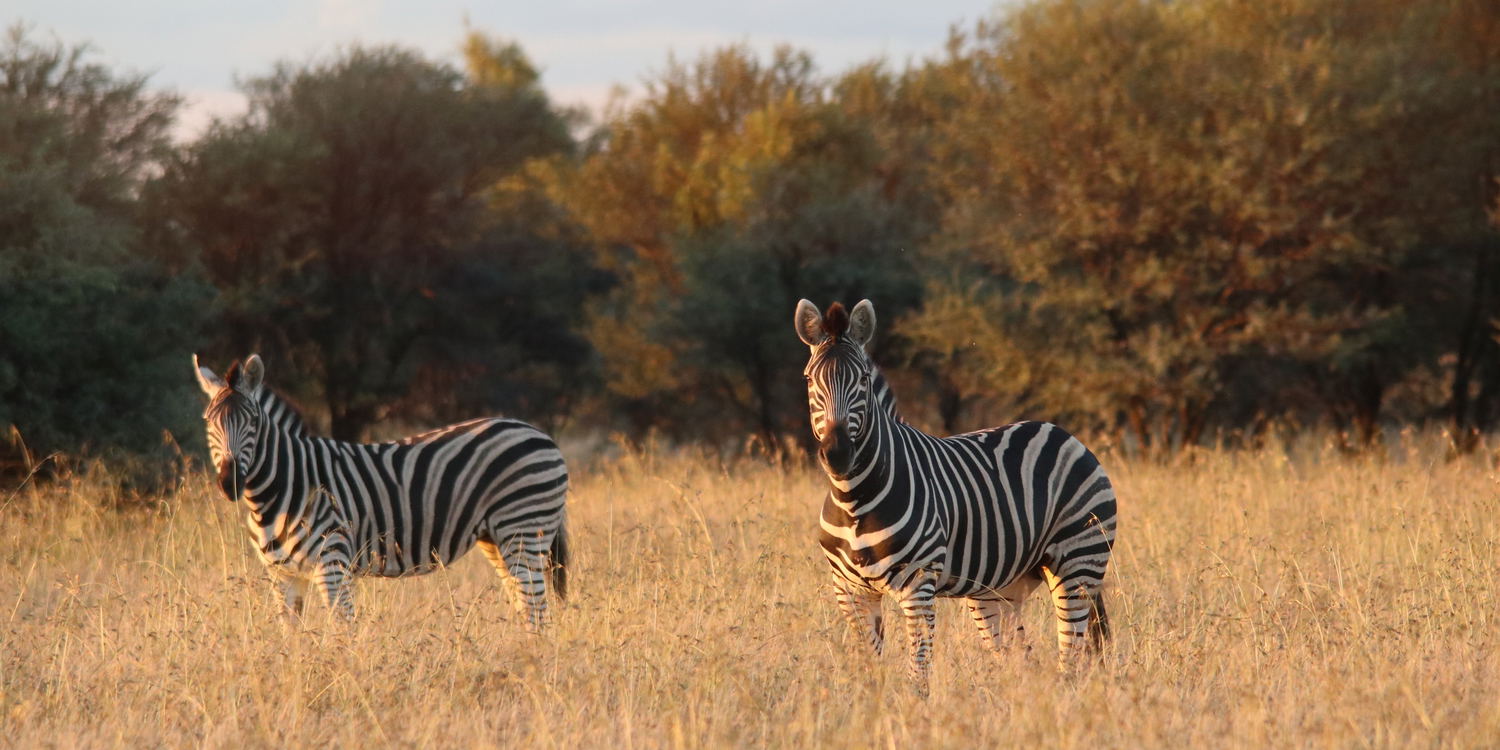
South Africa is renowned for its excellent hunting climate, offering dry winters, mild temperatures, and plenty of sunshine throughout the hunting season. While temperatures vary slightly between our Free State, Northern Cape, and Eastern Cape concessions, the weather is generally comfortable and ideal for hunting.
Early Season (March – April)
The end of summer brings pleasant temperatures and green landscapes.
Daytime: 18–30°C (64–86°F)
Morning & Evening: 10–18°C (50–64°F)
Light clothing is suitable during the day, but we recommend bringing a light jacket for early morning drives.
Peak Hunting Season (May – August)
This is our most popular hunting period, with cool mornings, dry conditions, and excellent game movement.
Daytime: 15–25°C (59–77°F)
Morning & Evening: 0–10°C (32–50°F)
In our mountain concessions and parts of the Northern Cape, early mornings can occasionally drop below freezing, especially during June and July. Warm layers, a fleece, gloves, and a beanie are highly recommended.
Late Season (September – October)
Spring arrives with warmer temperatures while vegetation remains open, making for outstanding hunting conditions.
Daytime: 22–35°C (72–95°F)
Morning & Evening: 8–18°C (46–64°F)
Lightweight clothing is recommended during the day, with a light jacket for cooler mornings.
We recommend dressing in layers, allowing you to adapt to changing temperatures throughout the day. Neutral colours such as olive green, brown, khaki, and camouflage are ideal for hunting. A warm jacket for morning game drives, comfortable walking boots, a hat, sunglasses, and sunscreen are essential on every safari.
One of the greatest advantages of hunting in South Africa is our low humidity, abundant sunshine, and very little rainfall during the hunting season, creating ideal conditions for both hunters and observers alike.
The currency in South Africa is the South African Rand. There are 100 cents to 1 rand. There are exchange bureaus in all towns and airports and in most hotels. Be sure to exchange some currency for SA Rands, as you may want to buy African souvenirs on your safari travels.
The electricity in South Africa is 220 Volts. Please check that any of your electrical equipment's charges accept 110 – 240 Volts or else you will need to bring an inverter from 220 Volts to 110 Volts. SA uses type M and C plug adapters.
All of Grootvallei African Safaris' hunting areas in the Free State, Northern Cape, and Eastern Cape are completely malaria-free, and no malaria medication is required when visiting these regions.
For guests hunting with us in our Mozambique concession or the Greater Kruger region, we strongly recommend consulting your doctor or travel clinic before departure, as these areas are considered malaria-risk zones. As a precaution, most international guests choose to take a prescribed course of malaria prophylaxis during their visit.
There are no mandatory vaccinations required for travel to South Africa or Mozambique in most cases. However, we do recommend ensuring that your tetanus vaccination is up to date and that you have comprehensive travel and medical insurance before your safari.
Our team is always happy to assist with travel advice and answer any health-related questions before your arrival, ensuring you can travel with confidence and peace of mind.
Tipping is one of the most common questions we receive, so we'd like to provide some guidance before your safari.
First and foremost, tipping is never mandatory. At Grootvallei African Safaris, we firmly believe that gratuities should always reflect the quality of service received and should be earned, not expected. The figures below are intended only as a guideline, based on the average gratuities our staff have received from international guests over recent seasons.
Professional Hunter (PH):
US$100–$300 per hunting day
Depending on the type of safari (Plains Game or Dangerous Game).
Camp Staff (per camp):
US$75–$150 per guest, per night
Shared between camp managers, chefs, kitchen staff, housekeeping, laundry staff, gardeners and general camp personnel.
Please Note: Many of our safaris include more than one hunting area or lodge. Where applicable, we recommend splitting the camp staff gratuity between the camps visited.
Trackers, Skinners & Skinning Shed Staff:
US$300–$500 for a typical 7–10 day safari
Cameraman:
US$75–$150 per day
Game Carriers / Retrieval Team:
US$50–$100 for a typical 7–10 day safari
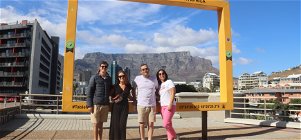
Safari to Wine Guides & Cape Town Day Excursions:
US$30–$75 per day
This applies to private sightseeing guides, Cape Town tours, wine experiences, airport transfers and other day excursions included in our Safari to Wine itineraries.
The preferred method is cash in US Dollars, although South African Rand is also appreciated. If you prefer, gratuities can be added to your final safari invoice, and our office will distribute them according to your instructions.
If you are ever unsure about local tipping customs, simply ask your Professional Hunter or one of our office staff. Most importantly, please remember that a tip is always a gesture of appreciation for exceptional service and is never expected or required.
Share This Page